Sustainable Solutions: Expert Environmental Consulting for Your Business
Eco-friendly strategies function as a crucial component in current business sector. Specialized sustainability advisory gives businesses the opportunity to improve operations while reducing their environmental impact. Through handling sustainability concerns and legal requirements, consultants lead organizations along the path of eco-friendly initiatives. This evolution helps not only the planet but also resonates with the beliefs of green-minded consumers. The path to sustainable business, nevertheless, is complex and demands thoughtful evaluation of various elements. What actions might companies implement to catalyze this transformation?
Grasping Environmental Consulting and Its Advantages
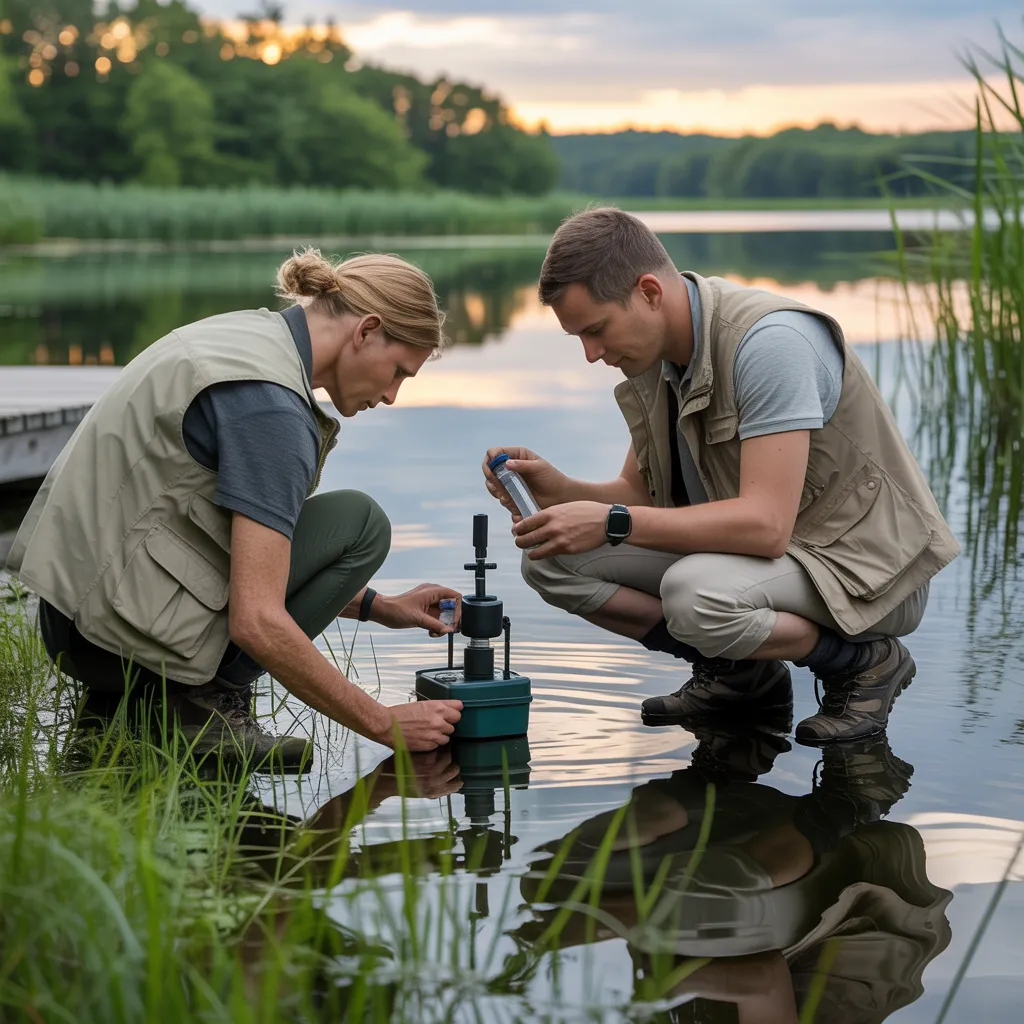
Recognizing green business guidance is necessary for businesses endeavoring to incorporate environmentally sound practices. This discipline involves authoritative guidance on environmental regulations, green business strategies, and optimal resource utilization. Environmental consultants scrutinize a entity's undertakings to spot betterment possibilities, securing compliance with environmental laws and limiting environmental harm.
The benefits of hiring environmental consultants are substantial. They provide bespoke solutions that boost operational efficiency, reduce waste, and reduce costs related to resource consumption. By evaluating potential environmental risks, consultants enable businesses reduce liabilities and enhance public perception. Additionally, the integration of sustainable practices often fosters innovation and competitive advantage in the marketplace.
Over the extended timeframe, partnering with environmental consultants develops a sustainable organizational culture within enterprises, inspiring employees to implement environmentally responsible behaviors. By leveraging their expertise, businesses not only contribute to environmental protection but also establish themselves as leaders in organizational accountability, engaging increasingly environmentally minded consumers.
Assessing Your Environmental Footprint
Determining a business's environmental footprint involves locating key impact areas and measuring resource consumption rates. By analyzing these variables, companies can discover where betterment is needed. This process not only fosters sustainability but also elevates efficiency levels.
Spotting Central Consequence Domains
Many businesses ignore the critical importance of recognizing key impact areas when evaluating their environmental footprint. By determining specific aspects of their operations that lead to environmental degradation, companies can create focused approaches for improvement. These impact areas often encompass energy consumption, waste production, water use, and emissions. Understanding these factors allows businesses to rank actions that yield the most substantial ecological advantages. In addition, engaging interested parties in this identification process fosters a culture of sustainability within the entity. By acknowledging and addressing these key critical zones, businesses position themselves to enhance their overall sustainability, reduce costs, and meet regulatory requirements. This proactive approach ultimately supports long-term ecological and economic viability.
Assessing Material Consumption Rates
Once key impact areas are recognized, the next step includes calculating usage levels to assess the company's environmental footprint. This process requires a organized method to gather data on energy, water, and material usage across all activities. Employing instruments like energy audits, water assessments, and material flow analysis can provide insights into consumption patterns. Companies should also consider establishing standards to measure against sector benchmarks or previous results. By analyzing these measurements, enterprises can identify inefficiencies and opportunities for reduction. Accurate measurement not only aids in adherence with ecological laws but also enhances company environmental initiatives. This information-based method is essential for choosing wisely that support long-term environmental goals.
Core Areas for Sustainable Enterprise Methods
Additionally, businesses can fund sustainable energy sources, such as solar or wind, to minimize reliance on fossil fuels. Worker participation in green efforts creates a sense of responsibility, encouraging inventive solutions and pledge to green operations. Ultimately, honest reporting regarding sustainability targets and outcomes boosts confidence among stakeholders and demonstrates sense of responsibility. Through uniting these vital areas, organizations play a role in ecological protection while also cementing themselves as frontrunners in corporate ethics, engaging environmentally mindful consumers.
Locating the Ideal Environmental Consultant for You
Assessing an green advisor requires a explicit awareness of a business's specific needs and goals. Evaluating these criteria enables organizations to correspond with advisors who possess the necessary proficiency and credentials. This strategic approach validates that businesses make informed choices for sustainable solutions.
Determining Your Organization Needs
When enterprises recognize the importance of sustainability, they often encounter the challenge of locating the suitable green advisor to fulfill their unique requirements. This process begins with a thorough review of the firm's environmental objectives, regulatory requirements, and current approaches. Companies should take into account their industry context, business size, and particular obstacles, such as waste management or energy efficiency. Engaging multiple team members across the company can deliver valuable insights into the priorities and expectations of the advisory engagement. Moreover, it is critical to specify the service range needed, whether it be regulatory compliance, strategy development, or training. By clearly outlining these needs, organizations can accelerate the vendor selection and assure a more productive working relationship with their preferred consultant.
Evaluating Consultant Expertise
How can firms verify they determine the suitable environmental advisor? Assessing consultant knowledge requires multiple critical considerations. To start, businesses should review the consultant's credentials, encompassing pertinent certifications, training, and track record in particular environmental sectors. Subsequently, examining earlier projects and customer endorsements offers understanding into the consultant's performance and dependability. Furthermore, understanding their strategy to environmental responsibility—whether they highlight cutting-edge approaches or legal compliance—is essential. Communication proficiency also serve a key function; a consultant must clearly communicate complicated information to varied interested parties. Ultimately, take into account the consultant's dedication to lifelong education and keeping current on environmental requirements and breakthroughs. By means of thorough assessment these elements, ventures can determine prudent selections and engage a consultant most matched to their specific goals.
Create Your Custom Sustainability Framework
A well-crafted sustainability strategy can substantially elevate a firm's eco footprint and operational efficiency. This method starts with a in-depth assessment of the company's current methods, identifying sections where improvements can be made. Key stakeholders should be involved in this assessment to make certain different opinions are considered.
Subsequently, distinct, quantifiable goals must be created. These goals should correspond with the broader aims of the organization while tackling environmental challenges such as waste reduction, energy efficiency, and resource conservation.
Additionally, it is required to employ forward-thinking methods suited to the unique challenges of the industry. Consulting with complete information qualified environmental advisors can impart pertinent information into best practices and emerging technologies.
Finally, a clear communication plan can cultivate a culture of sustainability within the organization, guaranteeing that all employees understand their roles in achieving these goals. This comprehensive strategy ultimately positions the business as a sustainability leader.
Establishing Long-Term Environmental Strategies Productively
Effective execution of sustainable solutions requires a strategic approach that emphasizes clear direction and intent. Businesses must first establish clear objectives, determining concrete environmental targets in line with their overall mission. This involves engaging stakeholders, such as employees and suppliers, to foster a culture of sustainability throughout the organization.
Next, enterprises should allocate resources efficiently, guaranteeing that the necessary instruction, equipment, and digital solutions are in place to promote environmentally responsible operations. Consistent interaction is essential, as it keeps all parties informed and motivated.
In addition, integrating sustainability into existing processes can improve efficiency and reduce pushback against transformation. By testing programs, organizations can measure feasibility and make adjustments before complete rollout.
In the final analysis, a passionate leadership team, united with transparent processes and ongoing engagement, can substantially boost the impact of sustainability initiatives, providing long-term benefits for both the organization and the environment.
Monitoring Your Environmental Advancement
What methods can companies employ to track their sustainability development effectively? Enterprises can employ a assortment of tools and metrics to calculate their environmental impact and advancements. One common approach is the adoption of performance indicators that focus on energy usage, waste reduction, and carbon emissions. By determining transparent benchmarks, businesses can review their improvements over time.
Moreover, technology platforms that monitor resource consumption and pollutant releases can provide live intelligence, promoting wiser decision-making. Ongoing compliance audits remain crucial, enabling businesses to identify optimization areas and guarantee compliance with green standards.
Engaging stakeholders with feedback surveys and input systems can meaningfully deepen the assessment process, nurturing a ethic of responsibility and constant betterment. Ultimately, a deliberate methodology to monitoring ecological advancement strengthens businesses to conduct thoughtful modifications and confirm their dedication to sustainable practices.
Common Inquiries Asked
How Much Will Environmental Consulting Generally Cost Organizations?
Advisory expenses for environmental work provided to businesses typically fall between $100 to $300 per hour, determined by the firm's expertise and complexity. Fixed fees for projects can also be provided, varying according to the particular services and length.
Which Qualifications Should I Look for in an Environmental Professional?
When selecting an environmental consultant, one should seek out credentials such as Certified Environmental Professional (CEP), ISO 14001, or LEED accreditation, as these demonstrate expertise and commitment to eco-friendly initiatives within environmental management.
Can Small Organizations Benefit From Environmental Consulting Services?
Yes, small businesses can meaningfully gain advantage from green consulting services. These expert services help optimize resource use, reduce waste output, strengthen compliance with industry standards, and advance comprehensive sustainability, ultimately creating financial benefits and a enhanced corporate reputation.
How Often Should I Enhance My Environmental Strategy?
Revising a green initiative should take place annually or biannually, subject to market transformations and company expansion. Routine assessments guarantee alignment with evolving regulations, client interests, and modern innovations, driving continuous improvement and enhanced sustainability results.
What Sectors Benefit the Greatest From Environmental Consulting?
Industries such as manufacturing, construction, energy, and agriculture profit greatly from environmental consulting. These sectors regularly confront regulatory hurdles, resource control difficulties, and environmental objectives that necessitate specialist advice to strengthen their eco-friendly operations and compliance.